
BEDDING BASICS
What Is a Duvet Cover? Duvet vs. Comforter Explained
A duvet cover is a removable, washable fabric shell that goes around a duvet insert, much like a pillowcase goes around a pillow. A duvet is normally a two-piece system—insert plus cover—while a comforter is usually a finished, filled bed covering designed to be used on its own. Product names vary, so always compare the actual construction, dimensions and care label.
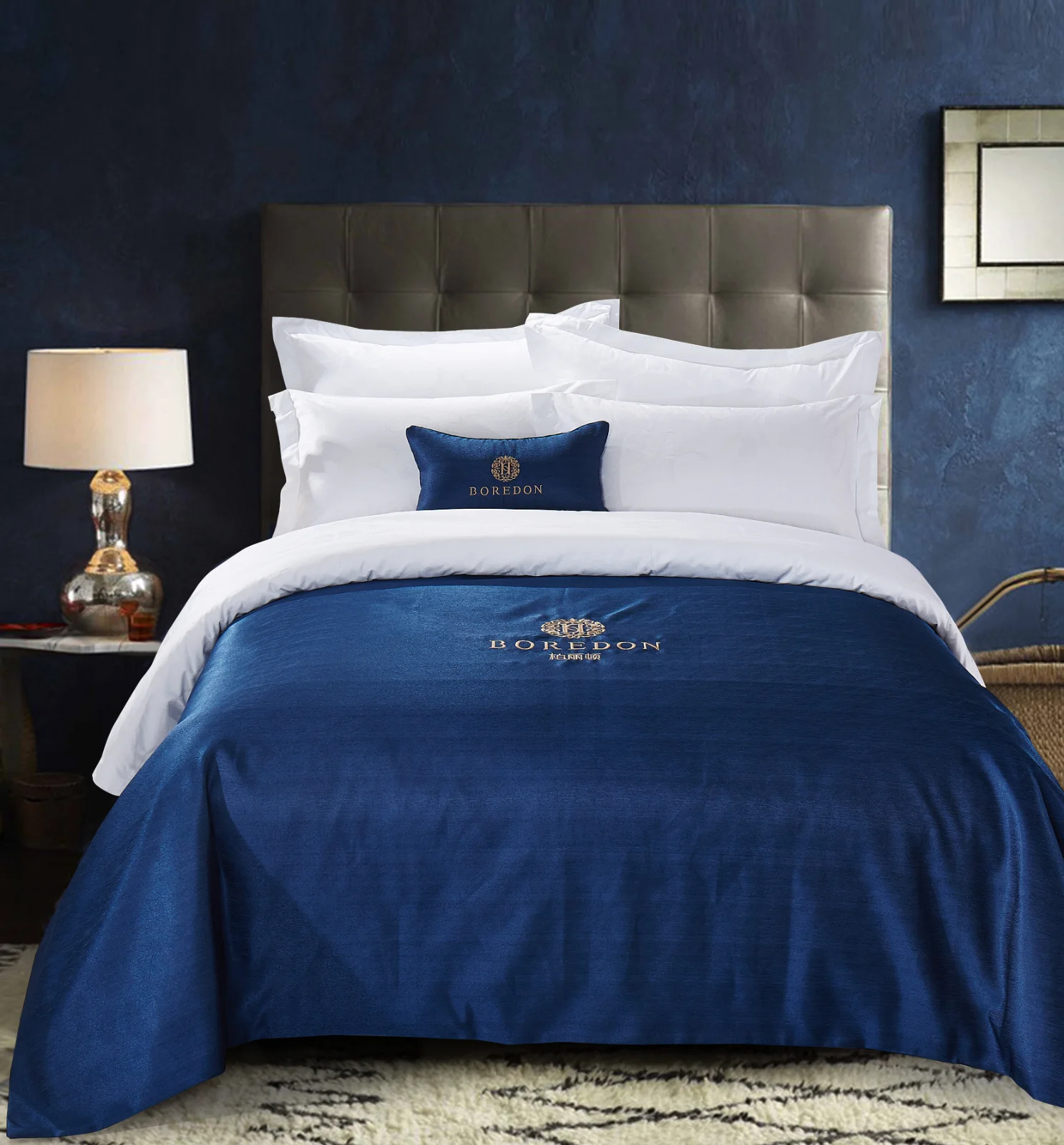
What is a duvet cover?
A duvet cover is a removable fabric case made to enclose a duvet insert. It normally has an opening along one edge, closed with buttons, snaps or a zipper. Better-matched systems may also use corner ties or loops to reduce movement inside the cover.
Think of the relationship this way:
Duvet cover = washable outer layer. Duvet insert = filled insulating layer. Together they form the duvet system used on the bed.
The cover supplies the visible color, pattern and much of the next-to-skin feel. It also takes most everyday contact from body oils, makeup, spills and handling. The insert supplies most of the warmth and loft. Because the two parts separate, the cover can generally be washed more frequently than the bulky insert, subject to each product’s care instructions.
A duvet cover is not a filled blanket. When empty, it is essentially two layers of fabric sewn into a large envelope. A “duvet cover set” may include matching pillow shams or pillowcases, but the insert is not always included. Check the contents before buying.
What is a duvet vs. a comforter?
Both are filled top-of-bed products, and retailers sometimes use the names interchangeably. The most useful distinction is how the product is intended to be used, not the word printed on the package.
| Feature | Duvet system | Comforter |
|---|---|---|
| Basic construction | Separate filled insert and removable cover | Filled shell finished as one piece |
| Separate cover | Normally expected | Usually optional |
| Visible design | Comes mainly from the changeable cover | Built into the comforter |
| Routine cleaning | Cover can be removed and washed separately | The whole item or its exposed surface must be cleaned |
| Warmth | Depends on fill type, fill weight, construction and cover | Depends on fill type, fill weight and construction |
| Style changes | Replace the cover while retaining the insert | Replace or cover the comforter |
| Common drawback | Putting the cover on and controlling insert movement | Bulkier to wash; appearance is less easily changed |
The table describes common practice, not a legal definition. Some sellers call the filled insert a “duvet,” others a “duvet insert,” and some label a similar item a “comforter.” A comforter can sometimes be placed inside a duvet cover. Likewise, some duvet inserts are marketed for use without one. To compare products accurately, inspect the shell, filling, quilting, attachment loops, finished dimensions and care instructions.
Neither name proves that one product is warmer or better. A light duvet may be cooler than a heavy comforter. Warmth comes from the complete specification—especially filling material, filling quantity, loft, compartment construction and room conditions.
Duvet cover vs. duvet: which part are you buying?
This is the simplest way to avoid ordering the wrong item:
- If the product is an empty fabric shell with an opening, it is a duvet cover.
- If it is a filled insert that provides warmth, it is a duvet or duvet insert.
- If it is a filled and visibly finished one-piece bed covering, it is usually sold as a comforter.
For a hotel or hospitality project, list the cover and insert as separate purchase-order lines. A cover specification should state fabric composition, weave or construction, finished size, color, opening and closure, internal ties, seams, label and packing. An insert specification should state shell fabric, fill type, fill weight, quilting or baffle construction, finished size and attachment loops.
See BOREDON’s hotel duvet cover and hotel duvet insert pages for the two separate product specifications.
What goes inside a duvet cover?
A duvet insert goes inside. Common fills include down, feather blends, polyester or other down-alternative fibers, wool, cotton and silk. Each behaves differently in loft, warmth, moisture handling, recovery, cleaning and price. The cover does not turn one fill into another or guarantee a temperature rating.
Before inserting the duvet, lay the cover and insert flat and align the corners. Fasten compatible corner ties or loops, close the opening and distribute the fill evenly. If the insert continually slides, first check whether the two products have compatible dimensions and attachment points. A very smooth shell, an oversized cover or missing corner fasteners can all contribute to movement.
Can you put a comforter in a duvet cover?
Usually, yes—but measure first. The cover must accommodate the comforter’s actual width, length and loft. Matching labels are not enough because “queen,” “king” and other nominal sizes vary among markets and manufacturers.
A cover that is substantially larger can leave empty edges and encourage shifting. A cover that is too small can compress the filling, pull at seams or create a lumpy surface. If the comforter has no corner loops, the cover’s ties may have nothing secure to attach to. For an existing comforter, measure it flat and compare that figure with the cover’s finished dimensions and closure opening.
How should a duvet cover fit?
A close dimensional match is the practical starting point. Do not apply a universal rule that the insert must always be a fixed number of inches larger or smaller. The desired fit changes with fill loft, quilting, fabric shrinkage, laundering, closure placement and whether the bed should look tailored or cloud-like.
Hotels should test the complete bed system rather than approve pieces in isolation:
- Record the mattress, topper and intended drop or tuck.
- Confirm the duvet insert’s finished size and loft after conditioning.
- Confirm the cover’s finished size, opening and internal attachment points.
- Assemble the actual insert and cover on the bed.
- Run the agreed laundry trial, then inspect fit, shrinkage, closure, seams and ease of housekeeping changeover.
The words “king” or “double” are not enough for factory production. Finished dimensions in centimeters or inches must appear on the approved specification.
Which is easier to wash?
The removable cover is normally the easier part to wash because it contains no bulky fill. That is one reason duvet systems suit hotels, rentals and homes where the visible bed surface needs regular laundering. However, “easier to wash” does not mean every cover tolerates every process.
Follow the care label and check fiber content, color, closure and finishing. ISO 3758:2023 establishes a system of care symbols, but it does not prescribe one wash program for all duvet covers. Commercial laundries should agree the actual wash chemistry, temperature, drying and finishing conditions with the product specification. The insert still needs periodic care according to its own construction and label.
Duvet or comforter: which should you choose?
Choose a duvet system when you value a removable laundering layer, changeable appearance, separate replacement of cover and insert, or a clean specification split between warmth and surface fabric. Choose a comforter when you prefer a simpler one-piece product and are comfortable with its cleaning requirements and fixed appearance.
For hospitality, the decision is operational. Ask how quickly housekeeping can remove and replace covers, whether the laundry can process the chosen fabric, how inserts will be inspected, and whether replacement stock will be held separately. The best system is the one your team can fit, clean, inspect and reorder consistently—not the one with the more luxurious name.
For bulk or custom projects, use the hotel bed linen range for covers and the duvets and pillows range for inserts. Send actual dimensions, construction, quantity and laundry requirements through the quotation form so the two components can be reviewed as one assembled system.
Sources and specification references
- What Is a Duvet Cover?Sleep Foundation
- Duvet vs. ComforterSleep Foundation
- Duvet cover setsIKEA United States
- ISO 3758:2023 — Textiles, care labelling code using symbolsInternational Organization for Standardization
- Hotel Duvet CoverBOREDON
- Hotel Duvet InsertBOREDON
Duvet cover, duvet and comforter FAQ
What is the point of a duvet cover?
A duvet cover protects the insert, provides the visible and touchable surface, and can usually be removed for washing or replaced to change the room style. It does not provide most of the insulation; the duvet insert does.
Is a duvet cover a blanket?
No. A duvet cover is an unfilled textile shell. It can feel like two thin sheets when empty, but it is designed to hold and protect a duvet insert or a suitably sized comforter.
What is a duvet vs. a comforter?
A duvet is generally an insert intended to be paired with a removable cover. A comforter is generally a filled, quilted bed covering with a finished outer fabric that can be used without a separate cover. Retail and regional terminology can overlap.
Can you put a comforter inside a duvet cover?
Often yes, if the actual dimensions, thickness and attachment points work together. A cover that is too large can look loose, while one that is too small can compress the fill or cause bunching.
Should a duvet cover be the same size as the insert?
Use actual finished measurements rather than relying only on labels such as queen or king. A close match is the safest starting point, but the ideal allowance depends on loft, shrinkage, closure and the look required. Hotels should approve the assembled sample after the agreed laundry process.