1. Requirement and technical review
Product, use, material, color, dimensions, construction, branding, packaging, quantity, timing and acceptance requirements are aligned.

Quality system
BOREDON quality control begins with the buyer’s specification and approved sample. Incoming materials, first pieces, production processes, finished goods and packing are checked against order documents; batch and inspection references support necessary traceability. External reports are used only for the corresponding sample and applicable test scope.

Visible control points
Material, cutting, sewing and finished-product checks connect to the approved specification.

Visible checks are performed against the approved specification and production references.
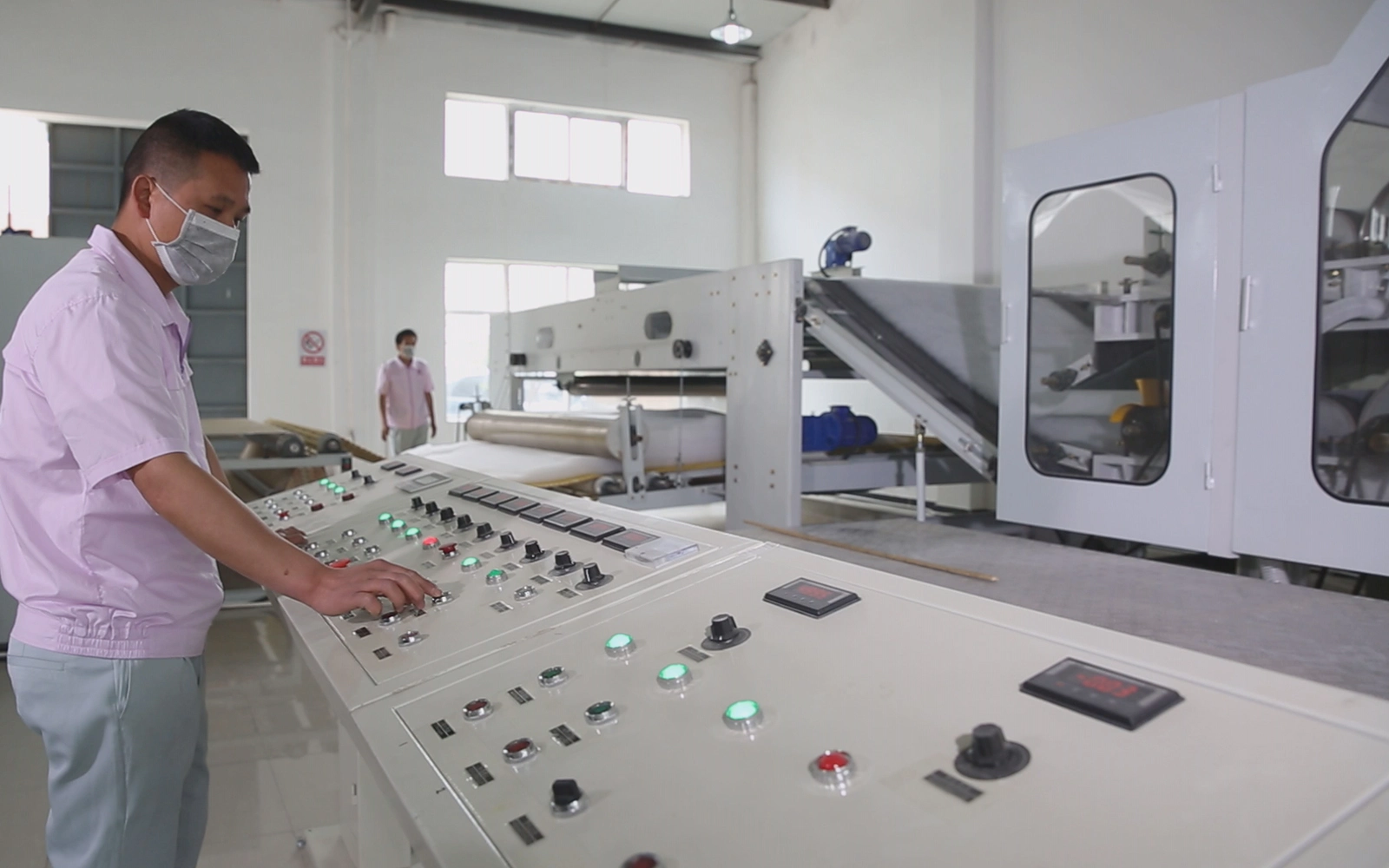
Material is reviewed against applicable order requirements.
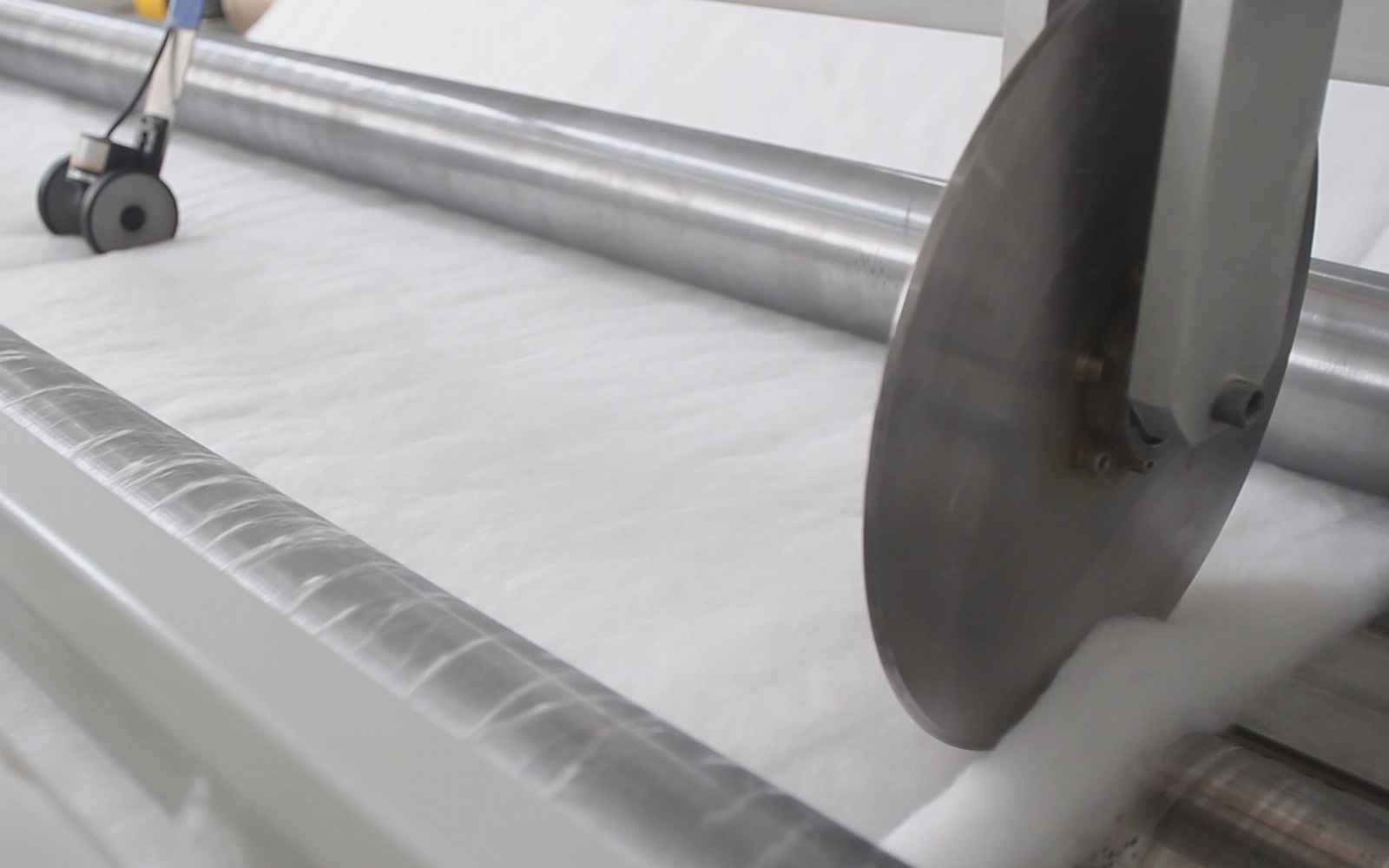
Cutting follows confirmed finished dimensions, fabric width and construction allowances.
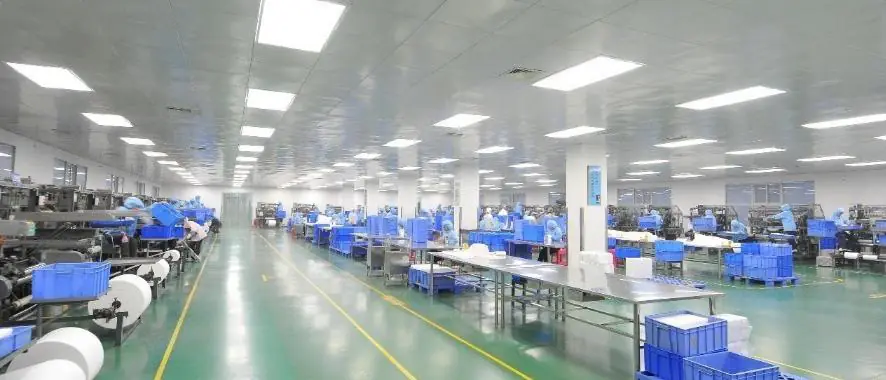
Finished-product operations connect cutting, sewing, checking and order identification.
Buyer guidance
Product, use, material, color, dimensions, construction, branding, packaging, quantity, timing and acceptance requirements are aligned.
New sizes, colors, logos or structures are confirmed before bulk production.
Materials and accessories are checked against purchasing requirements; the first piece is reviewed after a new style, material batch or process change.
Cutting, sewing, quilting and filling controls focus on the risks relevant to the product.
Item identity, quantity, color, dimensions, appearance, labels, packaging and carton information are verified.
Order, product, batch, inspection-status and carton references retain necessary production context.
Buyers usually ask about quality by asking about the fabric. The more useful question is what written reference the fifth delivery will be produced against, because that is what determines whether it matches the first. In this factory that reference is four documents: the approved physical sample, the approved technical specification, batch identification, and the retained packing instruction.
With those on file a replenishment order is produced against the same numbers as the original — not against a salesperson’s memory of the original. Without them, drift is not a risk, it is an eventual certainty.
Because weaving through packing sits inside one manufacturing group, inspection happens at handover points rather than only at the end. Incoming yarn and material are checked against the specification, greige fabric is inspected off the loom, dyeing and finishing are checked for shade against the approved reference, cut and sewn work is checked for dimension and seam construction, and finished goods are inspected before packing.
Catching a dimension error at the cutting stage costs a re-cut. Catching it at final inspection costs a production run. Catching it at the buyer’s warehouse costs the relationship, and that is the actual argument for in-line control.
Many institutional and distributor buyers have an existing inspection standard, acceptance criteria or third-party testing requirement. Send it with the RFQ. It will be reviewed for applicability against the specific product and construction before quotation, and where something cannot be met the review will say so rather than accept it and hope.
Third-party inspection and buyer-appointed inspection at the factory are both accommodated. Test reports such as OEKO-TEX STANDARD 100 relate to the specific tested material and its certificate validity, not to everything the factory can make; the applicable scope is confirmed per item.
No inspection process makes every piece identical, and no honest factory claims a zero-defect rate. What controlled production does deliver is a defined acceptance level, a known reference to measure against, traceability to a batch when a question arises, and a change-notification discipline — so any proposed change of material, supplier, color, construction or packing reaches the buyer before production rather than after.
Management-system certificates held by the manufacturing parent, including ISO 9001, qualify how the process is run. They do not certify the performance of any individual product, and this site does not present them as if they did.
Buyer FAQ
No. Requirements and methods must apply to the exact product and order; one sample result is not generalized to all batches.
Through approved specifications or samples, order records, product and batch references, inspection status and packing information.
Yes. Include it in the RFQ so applicability and verification can be reviewed before quotation.