Define users and roles
Separate patient wear from general staff workwear, then state the environment, garment pieces, size distribution, color and identification requirement.

Product category
BOREDON supplies patient wear sets and general institutional workwear to an approved fabric, size chart, color, garment construction and identification specification. The range is ordinary textile apparel rather than protective clothing or a medical device, and every new size set or style should be approved before bulk production.
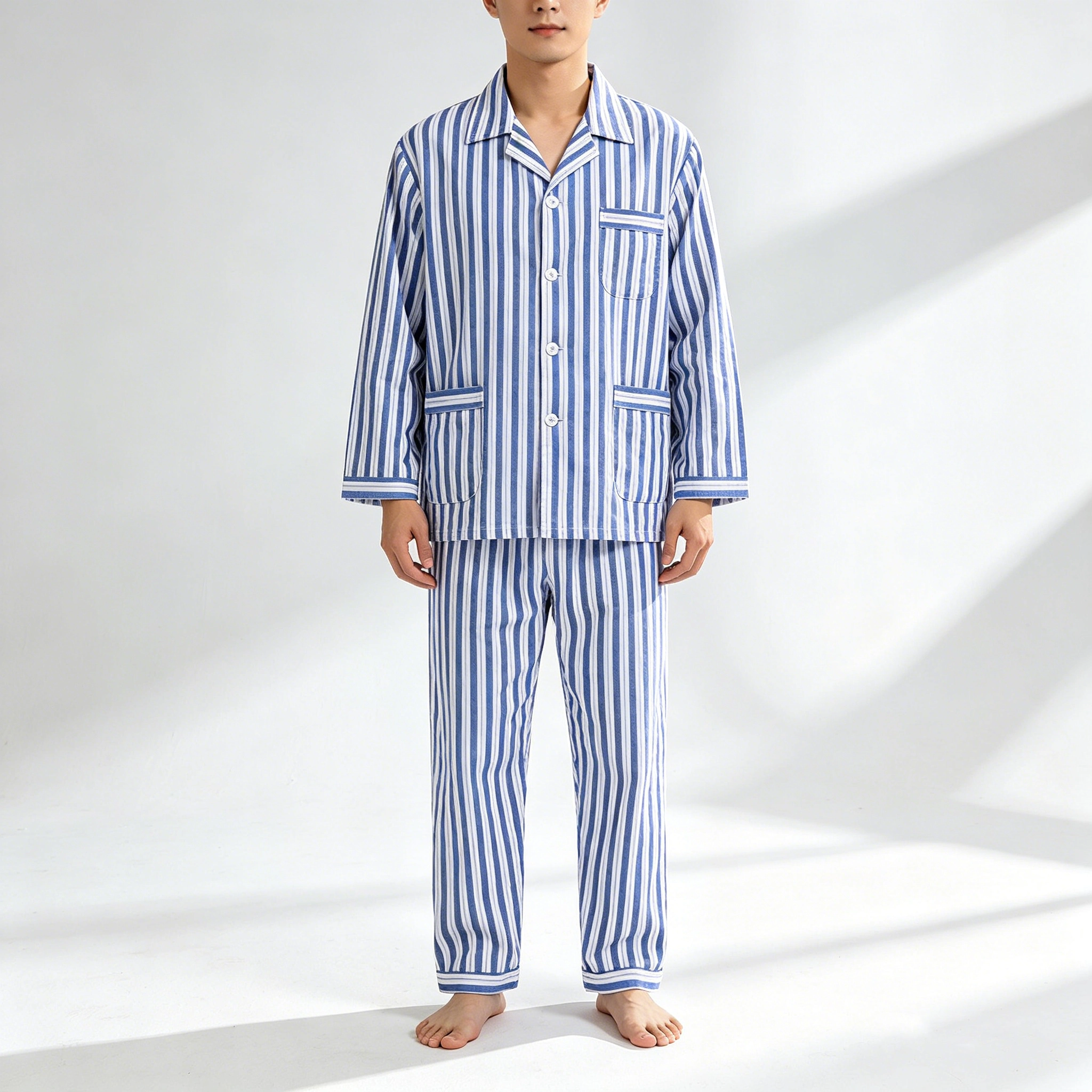
Buyer guidance
Separate patient wear from general staff workwear, then state the environment, garment pieces, size distribution, color and identification requirement.
Size labels alone are not enough. Confirm finished garment measurements, tolerances, closures, pockets and sewing details on the technical sheet or sample.
The published apparel range has no surgical, isolation, fluid-barrier, antimicrobial or other protective-performance claim.
The difference between an apparel program and a linen program is the size chart. A sheet needs three measurements; a garment needs a chart plus a quantity per size, and the distribution is specific to the facility — the body-size profile of a senior-care resident population is not the profile of a hospital staff roster.
Send a size chart with quantity against each size rather than a size range. A guessed distribution produces stock that piles up at both ends of the chart and runs out in the middle, which is a cost the facility absorbs for years.
Patient wear is put on and taken off by someone who may be assisting a resident with limited mobility, sometimes several times a day. Opening style, closure type, closure position, seam placement and the absence of hardware that presses on skin during long periods of lying down all matter more than the fabric specification does.
State how the garment will be used — self-dressing, assisted dressing, examination access, long-term wear — and the construction can be reviewed against that use. It is the part of the brief most often left out and the part that most often causes a garment to be rejected in service.
Institutional apparel goes through the same laundry as everything else and has to come back to the right person or the right department. Color coding by role or floor, woven size and identification labels, and pack grouping by size are the ordinary tools, and each one is confirmed in the order documents rather than assumed.
For staff workwear, add role differentiation and any embroidery or label requirement. Supply vector artwork with color reference, placement and dimensions so the first delivery is right rather than the second.
Patient wear sets and institutional workwear from this factory are general textile garments. They carry no sterile, antimicrobial, fluid-barrier, protective or medical-device claim, and the manufacturing parent holds no medical device license.
If a role genuinely requires certified protective performance, put it in the RFQ as a separate line with the exact standard and class. It will be assessed against what this factory can support instead of being quietly filled with an ordinary garment.
Product references
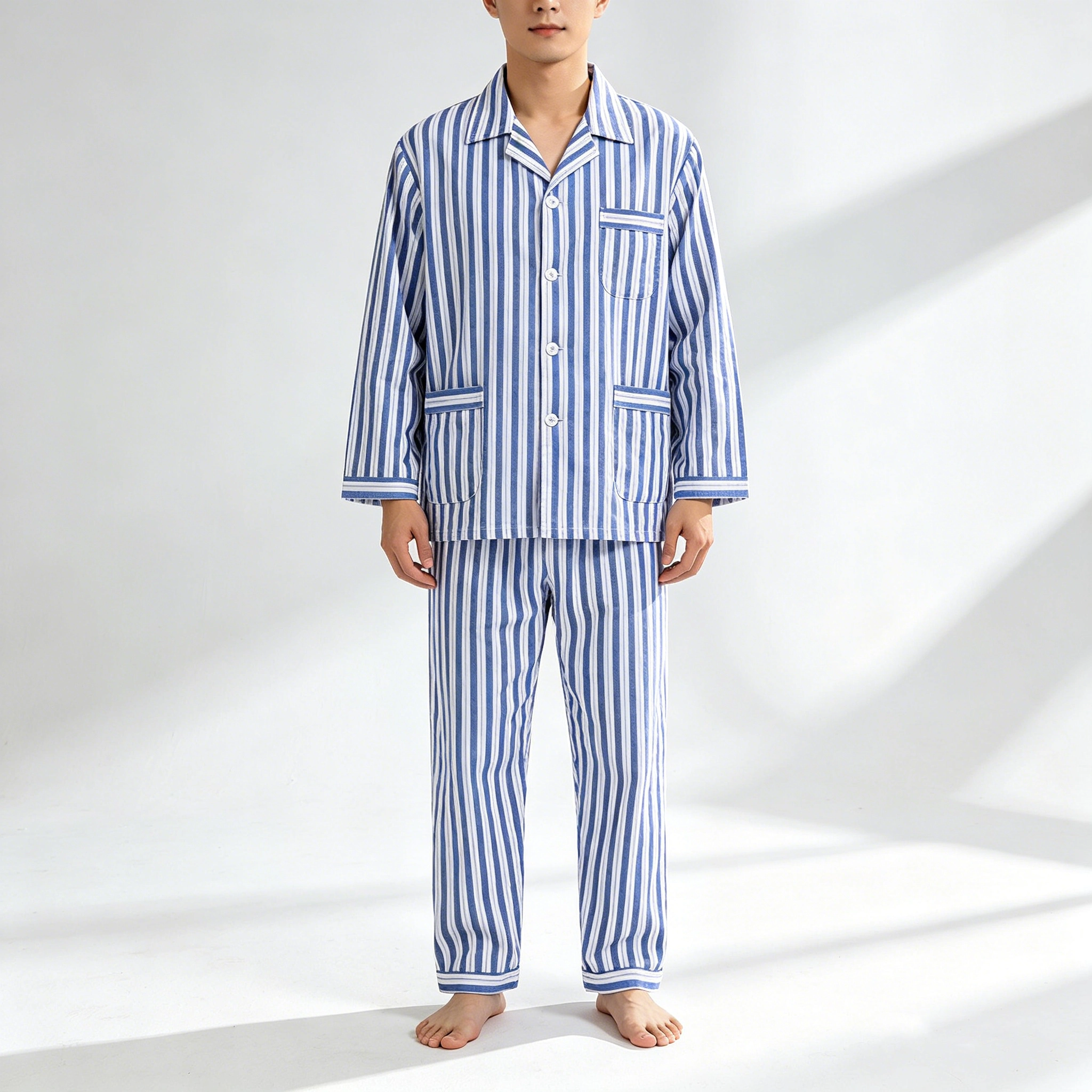
Patient & Staff Apparel
Patient wear sets for hospitals and care facilities, developed from the approved size chart, fabric, color, garment construction, identification and laundering requirements.
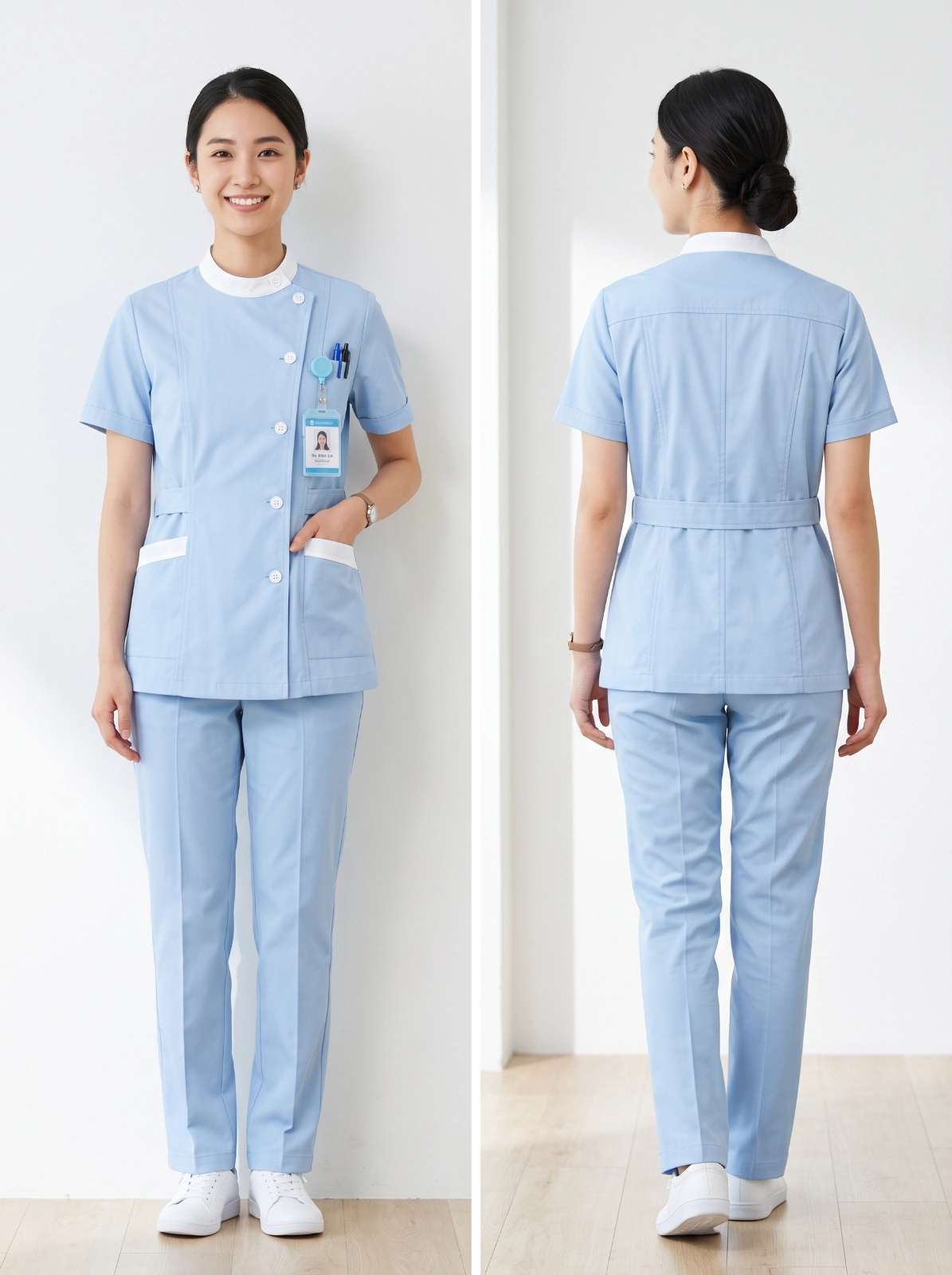
Patient & Staff Apparel
General workwear sets for hospital, hospitality and care-facility teams, specified by role, size chart, fabric, color, garment construction and authorized branding.
Buyer FAQ
Yes, the confirmed reference range is S–4XL, subject to an approved measurement chart and quantity by size.
Yes, after artwork authorization, placement, color, label and quantity review.
No. It is general textile apparel. Any regulated or protective requirement would need a separate technical and compliance review before publication or quotation.