
Export markets

Shipping west from the starting point of the Belt and Road

Most Chinese linen factories sit on the eastern seaboard and ship by sea. BOREDON manufactures inland at Xi’an — the historical eastern origin of the Silk Road and today one of China's principal China–Europe Railway Express hubs. For buyers in Central Asia and Europe, that geography provides an additional routing option rather than a slogan: westbound rail can be reviewed alongside conventional container sea freight, with different transit-time and cost profiles.

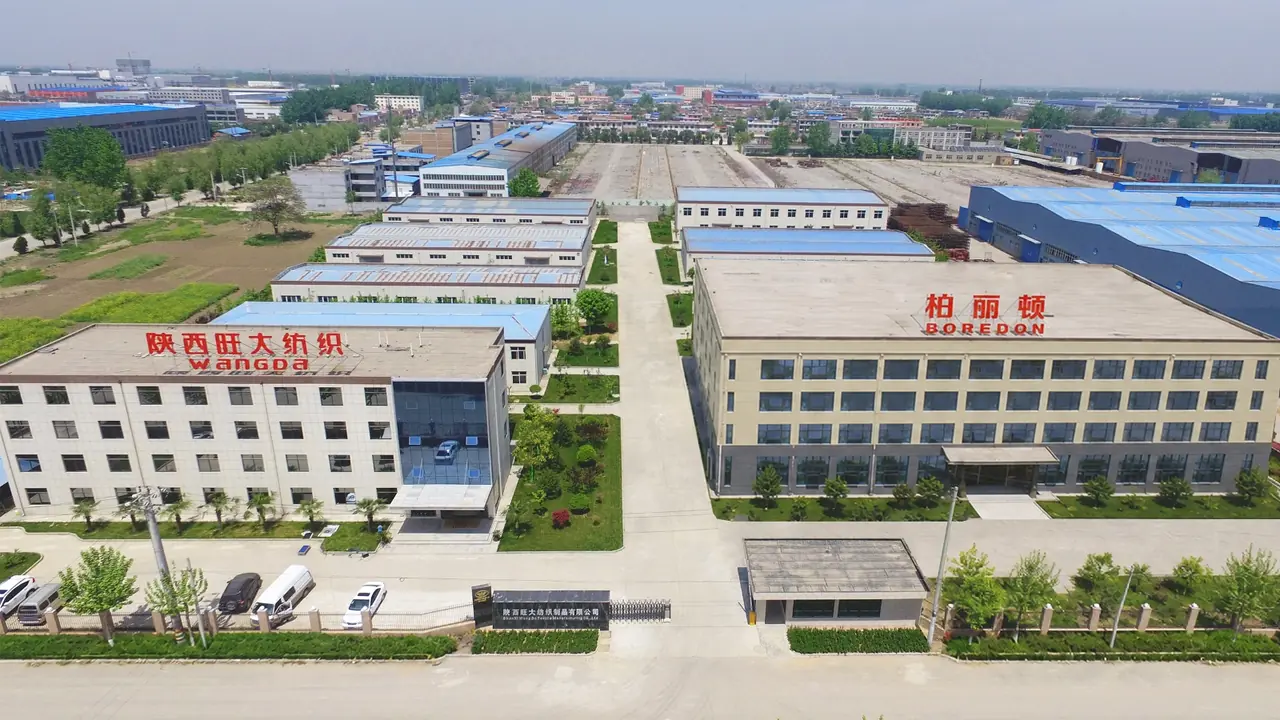
The Wangda Textile manufacturing base in Xi’an, inland western China

Buyer guidance

Why an inland Xi’an base changes the routing question

Xi’an is where the westbound corridor begins

The city is the eastern starting point of the Silk Road Economic Belt and operates as a major inland port and China–Europe freight rail hub. Goods leaving this factory can enter westbound rail without first being trucked across China to a coastal port, which is the reverse of the position a seaboard factory is in.

Rail versus sea is a real commercial trade-off

Commonly cited industry references put China–Europe rail transit in the region of 15–22 days and container sea freight in the region of 30–45 days to North European ports, with rail costing more per cubic meter and sea considerably less. Neither figure is a BOREDON commitment — actual transit depends on route, border crossing, customs and the carrier — but the gap is large enough to be worth planning around when a property opening date is fixed.

  • Rail: faster, higher freight cost per m³, suited to time-sensitive inland delivery
  • Sea: slower, lowest cost per m³, suited to large volumes and coastal destinations
  • Multimodal: rail or sea to a hub, then road for final delivery

Linen is bulky, so freight choice moves the landed cost

Textiles fill a container by volume long before they reach its weight limit. That makes packing density, carton dimensions and container utilization part of the price of the goods, not an afterthought — and it is why the packing specification is confirmed in writing with the order rather than left to the factory to decide.

Destination conformity begins before sampling

Each destination has its own labeling, documentation and conformity requirements. BOREDON manufactures and labels to the approved specification supplied by the importer; the importer remains responsible for confirming the rules in the destination market. Confirm applicable requirements before sampling so labels and documents are correct from the first delivery.

Documents in order, in English

Commercial invoice, packing list, bill of lading or rail waybill and certificate of origin are prepared by the export subsidiary in English. Inquiries are answered in English by the international team, not through a translation layer.

Buying paths

Choose the product, application or guidance that matches your requirement.

Buyer FAQ

Questions about export markets

Can BOREDON arrange international rail delivery?

BOREDON can review westbound China–Europe rail, sea freight and multimodal alternatives. The available route, Incoterm and transit reference are confirmed for each order and destination.

How long does shipping to Europe take?

Commonly cited references are roughly 15–22 days by China–Europe rail and 30–45 days by container sea freight to North European ports, plus production time before departure. These are industry references rather than commitments; actual transit depends on route, customs and carrier.

Is rail freight worth the extra cost for linen?

It depends on volume and deadline. For a fixed hotel opening date or a mid-sized replenishment into an inland destination, rail may justify the premium. For large volumes without date pressure, sea is usually the better economics.

Does BOREDON handle destination-market labeling?

BOREDON manufactures and applies labels to the specification the importer approves, including destination-language care content. Responsibility for conformity remains with the importer, so send the applicable requirements before sampling.

Which markets does BOREDON serve?

BOREDON handles international hospitality, healthcare and care-textile inquiries. Central Asia and Europe can be reviewed through westbound rail and multimodal routes, while other destinations are normally assessed with sea or combined transport.