
In short
The direct answer
Commercial buyers usually meet three supplier models: a local specialist distributor with fast access to a curated range, a broad textile trader that consolidates many categories, or a source factory that develops and retains the specification. The right choice depends on order size, delivery urgency, customization and technical control. Verify actual product evidence rather than assuming that a narrow website proves manufacturing.
Key takeaways
What a buyer should retain
- Strong for small urgent replenishment and destination-market service, but customization and manufacturing visibility may be limited.
- Useful for consolidating unrelated items, but technical answers depend on the mills selected for each order.
- Stronger for custom construction, retained specifications and repeat programs when order quantities support production.
Decision framework
Questions this guide helps the buying team resolve
Local specialist distributor
Strong for small urgent replenishment and destination-market service, but customization and manufacturing visibility may be limited.
General textile trader
Useful for consolidating unrelated items, but technical answers depend on the mills selected for each order.
Source manufacturer
Stronger for custom construction, retained specifications and repeat programs when order quantities support production.
Supplier-model comparison
| Qualification factor | Ask for | Why it matters |
|---|---|---|
| Manufacturing identity | Legal manufacturer and factory address | Separates a factory from a reseller |
| Published product data | Material, size, GSM or construction and MOQ | Tests whether the range is specification-led |
| Customization | Sample route, artwork and approval records | Shows how OEM work is controlled |
| Repeat orders | Retained sample, technical sheet and batch reference | Protects replenishment consistency |
01
Do not confuse category language with production evidence
A supplier can publish sauna, hammam and spa keywords without owning equipment or retaining specifications. Ask who weaves or converts the item, where inspection occurs and which entity appears on the contract.
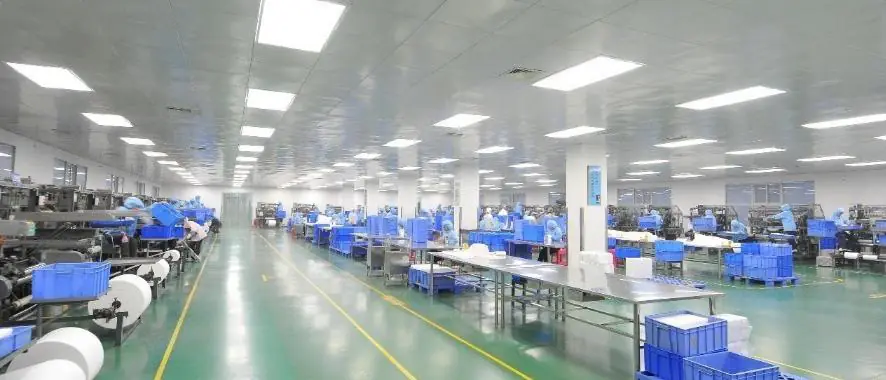
BOREDON publishes its parent manufacturer, factory address, equipment, certificates and testing documents so buyers can qualify the group rather than rely on a source-factory label.
02
Use like-for-like product lines when comparing price
Compare the same finished size, material, construction, GSM where applicable, color, branding, packing, quantity and delivery basis. A lower quotation may simply omit a closure, label, color-control step or destination packing requirement.
Local distributors may remain the right answer for one emergency carton. Direct factory sourcing becomes more relevant for planned opening, private label and repeat volume.
03
Treat a custom sauna wrap as development work
Request the pattern, measurement chart, closure specification and sample approval route. If a supplier presents one retail dimension as universally suitable, fit risk has not been resolved.
BOREDON publishes custom-wrap capability as subject to pattern and feasibility review, not as unverified ready inventory.
Buyer FAQ
Questions buyers ask about this topic
Is BOREDON a trading company?
SHAANXI BOREDON TEXTILE TECHNOLOGY CO., LTD. is the wholly owned export subsidiary of manufacturer Shaanxi Wangda Textile Manufacturing Co., Ltd.
When is a distributor better than a factory?
A distributor can be better for very small urgent stock purchases, local returns and destination-specific service.
How can a buyer verify a spa linen factory?
Check legal manufacturer identity, address, production equipment, product specifications, certificates, testing evidence and the sample-to-bulk control process.